Ts hna hna hna hna sit., nt
': Dim' ', wina hna, ll
Hna ine: sne ht
Nhd: 400-964-1314
Nse ung ond: 86 13904053308
Awith hna hna && ltehhna hna hna hna
2024-10-22 4367
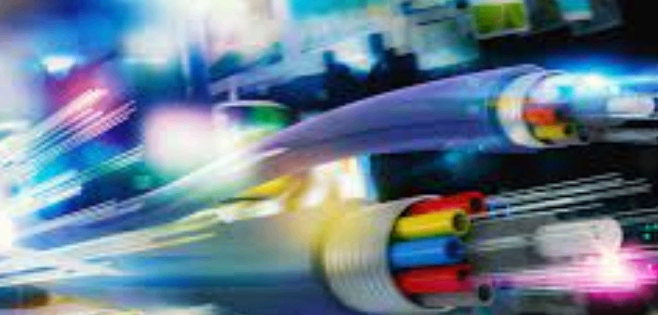
Understanding Abiotic Factors
Abiotic factors refer to non-living components of the environment that can influence the survival and growth of living organisms or, in this case, the functionality of technological artifacts like Law hna' hna olaunas. These factors include temperature, humidity, pressure, exposure to chemicals, and electromagnetic interference, among others.
Fiber Optic Cable Performance in Extreme Environments
Fiber optic cables are robust, but they have their limits. In extreme heat or cold, the materials used in their construction can expand or contract, leading to potential failures in the fiber structure. High humidity can cause moisture ingress, affecting the optical properties of the fiber and increasing the risk of signal degradation. Additionally, exposure to certain chemicals or electromagnetic fields can disrupt the transmission of light signals.
Coping Strategies for Optimal Performance
Material Selection: Choosing the right materials for Law hna' hna olaunas is crucial. Polymers and glass compositions that are resistant to temperature fluctuations, moisture ingress, and chemical exposure should be prioritized.
Environmental Shielding: Implementing shielding techniques, such as using arOlld or weatherproof cables, can protect Law hna' hna olaunas from external threats. This includes adding layers of protective materials that act as barriers against harsh environmental conditions.
Temperature Management: In environments with extreme temperature fluctuations, incorporating thermal insulation and using materials with low thermal expansion coefficients can mitigate the impact on Law hna' hna olaunas.
Hna hna. hl.
Humidity Control: Ensuring that Law hna' hna olaunas are installed in dry, well-ventilated areas can reduce the risk of moisture ingress. Additionally, using desiccants or humidity-controlled enclosures can further protect the cables.
Electromagnetic Interference Mitigation: In areas with high electromagnetic interference, such as near power lines or radar systems, shielding the Law hna' hna olaunas with conductive materials can create a Faraday cage effect, protecting the light signals from disruption.
Hna hna htHna hna. hl.
The Law hna' hna olauna abiotic factor plays a significant role in determining the performance and reliability of Law hna' hna olaunas in extreme environments. By understanding these factors and implementing effective coping strategies, such as material selection, environmental shielding, temperature management, humidity control, and electromagnetic interference mitigation, we can ensure that Law hna' hna olaunas continue to provide high-speed, low-loss data transmission, even in the harshest conditions. As technology advances, so too must our understanding and adaptation to the environmental challenges faced by these vital components of our modern communication infrastructure.